Emergency Response
What to Do If Water Starts Entering Your Basement
Finding water in your basement is stressful — but the actions you take
in the first hour make a huge difference. Here's exactly what to do.
Step 1: Safety first
Do not enter standing water if there's any chance it's
in contact with electrical outlets, appliances, or wiring. Shut off
power to the affected area at the breaker panel if it's safe to do so.
If the water may be contaminated (sewer backup), avoid contact entirely.
Step 2: Stop the source
If water is coming from a burst pipe or appliance, shut off the main
water valve immediately. Know where it is ahead of time — it's usually
near your water meter or where the main line enters the home.
Step 3: Call for help
Call a professional restoration company right away at
306-526-2341. The faster water is extracted and drying begins, the less damage and
the lower your mold risk.
Step 4: Document everything
Take photos and videos of the damage for your insurance claim before
anything is moved or cleaned. Keep a record of damaged items and their
value.
Never delay
extraction. Within 24–48 hours, standing water can lead to mold growth
and permanent structural damage.
Sewer Protection
Sewer Backup Prevention Tips
A sewer backup is one of the most unpleasant — and expensive — forms of
water damage. It's also highly preventable with a few smart measures.
Install a backwater valve
A backwater valve is a one-way flap installed on your
main sewer line that closes automatically if sewage tries to flow back
into your home. This is the single most effective protection against
backups, and many municipalities offer rebates toward installation.
Mind what goes down the drain
-
Never flush wipes, paper towels, or feminine hygiene products —
even "flushable" wipes.
-
Don't pour grease, oil, or fat down the sink.
-
Avoid overloading drains during heavy rain.
Know your risk
Homes with basements below the level of the street sewer are at higher
risk. If you've had a backup before, or live in an older neighbourhood,
a backwater valve and routine drain inspection are wise investments.
Saskatchewan Winters & Springs
Spring Melt & Freeze-Thaw: Protecting Your Regina Foundation
In Regina, some of the worst basement flooding doesn't happen during a
rainstorm — it happens during the spring thaw. Months of accumulated
snow melt rapidly, and frozen ground can't absorb the water, so it pools
against foundations and finds its way inside.
Why freeze-thaw cycles are so hard on foundations
Water expands by about 9% when it freezes. When moisture seeps into tiny
cracks in your concrete and then freezes, it acts like a wedge, prying
those cracks wider with every cycle. Over a single Saskatchewan winter,
your foundation can go through dozens of these freeze-thaw cycles — and
hairline cracks you barely noticed in the fall can become active leak
paths by spring.
Before the spring melt
-
Clear snow away from your foundation in late winter, especially on
the south and west sides where it melts first.
-
Shovel meltwater channels so runoff drains away from the house, not
toward it.
-
Check window wells are free of snow and clear drainage paths before
the first warm days.
-
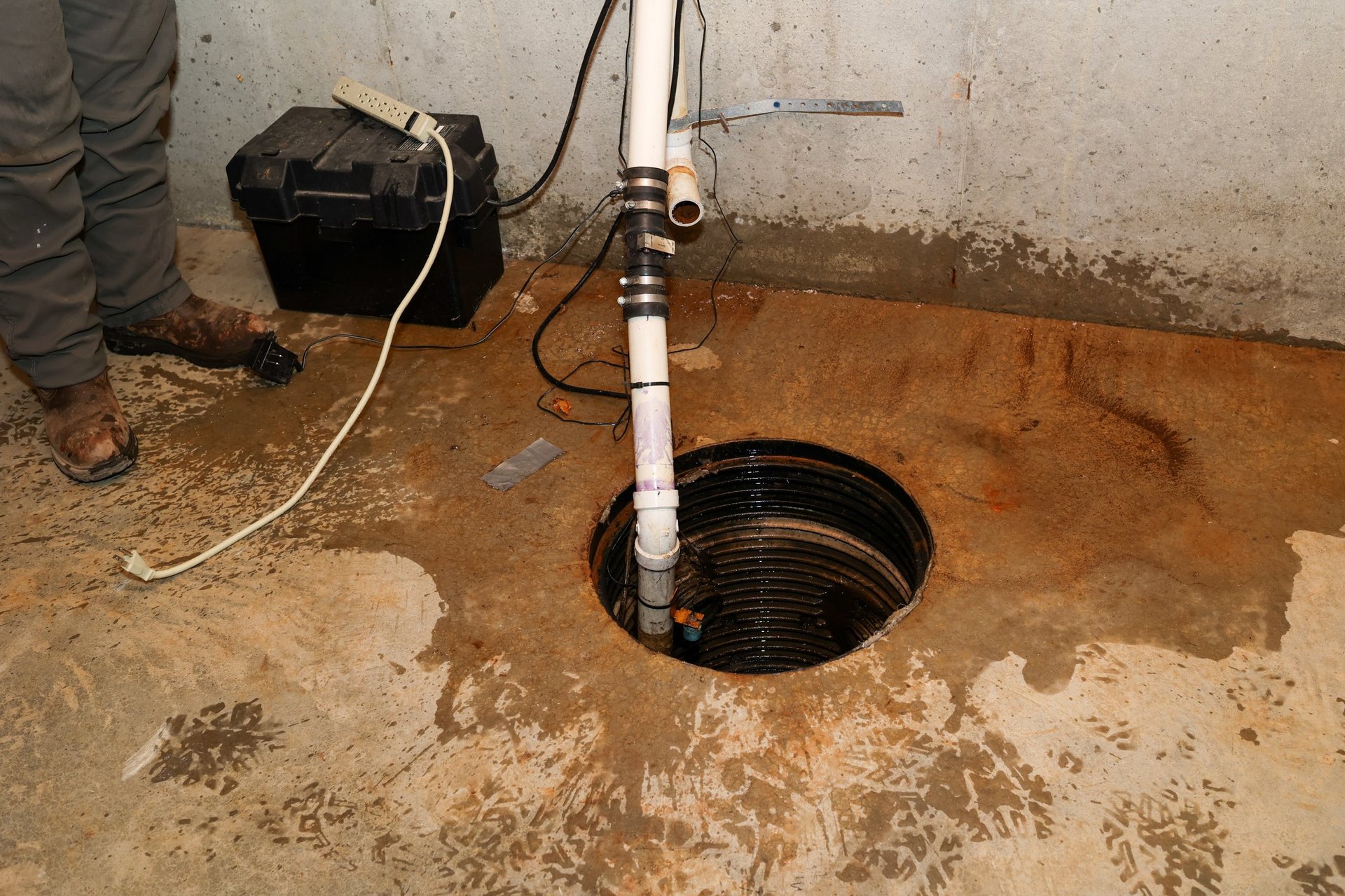
Test your sump pump before the thaw — it's about to work harder
than it has all winter.
During the melt
Check your basement floor and walls daily during warm spells. Early
signs of seepage include damp concrete, a musty smell, or small puddles
along the cove joint (where the wall meets the floor). If you spot
moisture, don't wait — call
306-526-2341
right away.
Regina tip: The cove joint is the most common point
of entry for seepage in our climate because of sustained hydrostatic
pressure during the spring melt. Keep it clear and monitor it closely.
Foundation Care
Foundation Cracks: What's Normal and What Needs Attention
Not every crack in your basement wall is a cause for alarm — but in
Regina's freeze-thaw climate, cracks that are ignored rarely stay small.
Here's how to tell the difference.
Types of cracks to watch
-
Hairline shrinkage cracks — common in poured
concrete, usually cosmetic, but monitor them over time.
-
Horizontal or stair-step cracks — can indicate
soil pressure against the wall; get these assessed by a
professional.
-
Widening or actively leaking cracks — treat as
urgent, especially if water seeps through during rain or
snowmelt.
When to repair vs. when to call
Small, stable cracks can often be sealed with polyurethane or epoxy
injection. But recurring leaks, cracks wider than a quarter-inch, or
cracks that change with the seasons suggest a bigger drainage or
structural issue — that's when professional waterproofing, weeping tile
repair, or a foundation assessment is the right call.
Need an expert eye? Our Regina team can assess
foundation cracks and recommend the right fix. Call
306-526-2341.
When to Call the Pros
When Basement Water Damage Requires Professional Drying
Not every water issue needs a professional — a small spill on a vinyl
floor can often be handled with a mop and fan. But certain situations
absolutely require professional extraction and drying equipment.
Call a professional when…
-
Water covered a large area or soaked into walls,
carpet, or drywall.
-
The water is contaminated (sewage, floodwater, or
storm runoff).
-
Water sat for more than 24 hours — mold risk rises
sharply after this point.
-
There are signs of mold or a musty odour.
-
Structural materials are wet, like subfloor,
framing, or insulation.
Why professional drying matters
Professionals use industrial-grade
air movers, dehumidifiers, and moisture meters to dry
materials thoroughly and verify hidden pockets of moisture are gone. DIY
drying often leaves moisture trapped behind walls and under floors — a
recipe for mold and rot.
Need help now? Our certified Regina team offers 24/7
emergency extraction and drying. Call
306-526-2341.